How Google Ads and SEO Work Together for Better Online Visibility
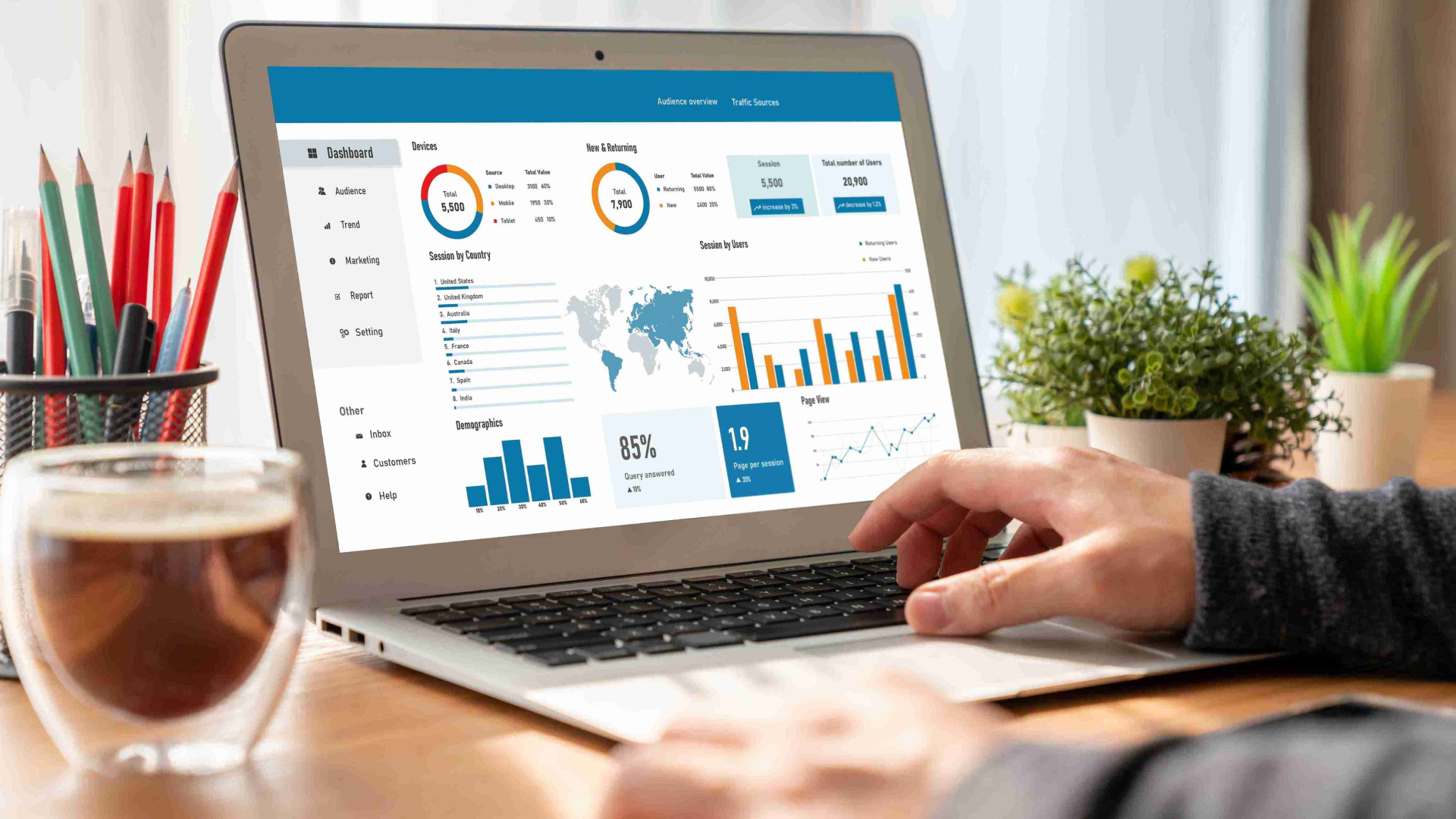
Businesses often treat Google Ads and SEO as two completely separate marketing strategies. One is paid, the other is organic. One can generate visibility through advertising, while the other focuses on improving search visibility over time.
But businesses do not have to choose between them.
Google Ads and SEO can work together as complementary parts of a broader digital marketing strategy.
For small businesses in the USA and Canada, combining paid search with organic search can create more opportunities to reach customers at different points in their online journey. LeapForge Digital provides both PPC and SEO services, including AI-driven PPC strategies, local SEO optimization, voice search optimization, and AI tools for digital marketing.
The key is understanding what each channel does and how they can support one another.
What Is the Difference Between Google Ads and SEO?
Before looking at how Google Ads and SEO work together, it helps to understand the basic difference.
What Is Google Ads?
Google Ads is a paid advertising approach that allows businesses to promote their offerings through search advertising.
LeapForge Digital describes its PPC services as AI-driven and focused on creating hyper-personalized campaigns that target ideal audiences and support ROI. Its website specifically identifies Google Ads management as part of its digital marketing capabilities.
Paid search can therefore provide businesses with a way to actively promote their offerings to relevant audiences.
What Is SEO?
Search engine optimization focuses on improving a website's organic visibility in search engines.
LeapForge Digital provides comprehensive SEO services that include local SEO optimization, voice search optimization, and AI tools for digital marketing.
SEO can involve areas such as:
Keyword and search-intent optimization
Helpful website content
Technical website improvements
Website structure
The two channels have different functions, but they can support the same overall objective: helping more relevant customers discover a business online.
Why Businesses Should Consider Google Ads and SEO Together
A customer may interact with a business several times before becoming a lead or customer.
Someone might first see a paid advertisement, visit the website, read a blog, search for the business again, and eventually return through an organic result.
LeapForge Digital's published content describes this interconnected customer journey and emphasizes how SEO, PPC, websites, content marketing, social media, analytics, and branding can contribute to a broader digital presence.
Using both paid and organic search can therefore create a more connected marketing strategy.
Paid and Organic Search Serve Different Purposes
Google Ads can support immediate paid visibility, while SEO focuses on building organic visibility.
Rather than asking which one is better, businesses can ask:
How can each channel support the other?
That shift is important because digital marketing is rarely about one isolated activity.
How Google Ads Can Support an SEO Strategy
Google Ads and SEO do not operate in exactly the same way, but paid search activity can provide useful insights that inform broader marketing decisions.
Google Ads Can Reveal Audience Interests
PPC campaigns provide information about how audiences respond to different advertisements, searches, and targeting approaches.
LeapForge Digital's AI-driven PPC content explains that AI-powered advertising can analyze information related to user behavior, search patterns, demographics, interests, purchase intent, and engagement history.
These insights can help marketers better understand what audiences are responding to.
That understanding can then inform broader content and SEO planning.
Paid Search Can Help Test Messaging
Businesses can use advertising campaigns to evaluate different messages and approaches.
For example, different ad messaging may highlight:
A service
A customer problem
A specific benefit
A particular audience
A particular offer
The responses can provide useful marketing feedback.
SEO content can then be developed around the topics and questions that matter most to the intended audience, including through a structured SEO content hub.
How SEO Can Support Google Ads
The relationship works in the other direction, too.
A strong SEO strategy can create useful website content and landing pages that support a broader digital marketing ecosystem.
LeapForge Digital provides website development, SEO, content marketing, PPC, social media marketing, analytics and reporting, and brand consulting as connected components of its digital marketing services.
SEO Helps Build a Stronger Information Foundation
SEO often requires businesses to improve their website content and structure.
That can mean creating:
Service pages
Educational blog posts
FAQs
Local content
Topic-focused resources
Helpful landing pages
These assets can provide additional information for visitors who arrive through paid campaigns.
A visitor who clicks an advertisement may want more information before making a decision. Useful organic content can help answer those questions.
Businesses can also strengthen the performance of these pages through conversion-focused web design and a stronger understanding of landing-page structure.
Google Ads and SEO Can Target Different Stages of Search Intent
One of the strongest reasons to combine PPC and SEO is that customers do not all have the same intent.
Some people are ready to take action.
Others are researching.
Others may not yet understand what service or solution they need.
Informational Search
A person might search:
"How does local SEO work?"
This could represent an opportunity for educational SEO content.
Commercial Search
Another person might search:
"best local SEO services for small businesses."
This search may indicate stronger commercial intent.
Action-Oriented Search
A person might search for a specific provider or service and be closer to contacting a business.
A broader digital marketing strategy can address these different stages through content, SEO, paid search, landing pages, and other channels.
Understanding these different stages is central to building a full-funnel marketing strategy.
Local Businesses Can Combine Local SEO and Paid Search
Local visibility is especially important for businesses serving specific geographic markets.
LeapForge Digital offers local SEO optimization and has published content examining how local SEO is changing as AI-powered search becomes more prominent.
A local business might use SEO to build organic visibility around its services while using PPC to promote relevant offerings to targeted audiences.
Local Search Is Becoming More Conversational
Customers increasingly ask detailed questions rather than entering only short keyword phrases.
For example:
"Who can help my small business with SEO?"
"What digital marketing services are available near me?"
"How can I improve my local search visibility?"
LeapForge Digital's content on conversational SEO emphasizes natural language, long-tail keywords, FAQ-style content, and local search optimization.
This means businesses should think about both where customers search and how customers phrase their questions.
Businesses can also explore conversational search optimization as search behavior continues to evolve.
How AI Is Changing the Relationship Between PPC and SEO
Artificial intelligence is becoming increasingly important across digital marketing.
LeapForge Digital's services include AI-driven PPC strategies and AI tools for digital marketing, while its broader positioning emphasizes AI-powered marketing strategies.
AI can influence both paid and organic search strategies.
AI-Driven PPC
LeapForge Digital explains that AI can support PPC through:
Audience targeting
Bid management
Budget allocation
Performance monitoring
Campaign optimization
These capabilities can help marketers make faster, more data-informed decisions.
Businesses can also explore smarter bidding strategies as part of a broader approach to PPC performance.
AI and Organic Search
SEO is also evolving as search engines and AI-powered search platforms increasingly interpret natural language, intent, entities, and relationships between topics.
LeapForge Digital's content on entity SEO and semantic topic mapping emphasizes moving beyond exact-match keywords toward broader contextual relevance and interconnected content.
For businesses, this reinforces the value of developing a coordinated strategy rather than treating every marketing channel independently.
Businesses can also explore SEO for generative search as AI-driven search continues to evolve.
Why Content Connects Google Ads and SEO
Content can act as a bridge between paid and organic marketing.
A business may create a useful blog post to answer a customer question. That content can attract organic visitors, support topical authority, and provide additional information for people who discover the business through advertising.
LeapForge Digital emphasizes content marketing as a component of SEO and AI search visibility, including blogs, social media content, brand storytelling, and audience-focused resources.
Content Can Answer Questions Ads Cannot
An advertisement generally has limited space.
A blog post or resource can provide considerably more context.
For example, an ad might introduce a business's SEO services, while supporting content can explain:
What SEO is
Why local SEO matters
How conversational search works
What businesses should know about AI search
How content supports organic visibility
This creates a more complete customer journey.
Businesses can further strengthen this approach through structured content and a focus on topical authority.
Common Mistakes Businesses Make When Combining SEO and Google Ads
Using both channels does not automatically create a successful strategy.
Businesses still need coordination.
Treating PPC and SEO as Completely Separate
If the two teams or strategies never communicate, valuable insights can be missed.
Search behavior, audience interests, content opportunities, and performance information can inform broader marketing decisions.
Sending Every Paid Visitor to the Same Page
Different searches can reflect different intentions.
A landing page should be relevant to the campaign and the customer's expectations.
Businesses can also benefit from hyper-personalized landing pages when creating experiences for different audiences and campaigns.
Focusing Only on Immediate Results
PPC and SEO can operate on different timelines.
Paid campaigns can support active advertising, while SEO focuses on building organic visibility over time.
A coordinated approach can help businesses balance immediate opportunities with longer-term growth.
Ignoring Analytics
Without performance data, it becomes harder to understand what is working.
LeapForge Digital provides analytics and reporting designed to provide data-driven insights and help businesses optimize their marketing strategies.
A Practical Google Ads and SEO Strategy
Businesses can approach the two channels systematically.
Step 1: Identify Core Services
Start with the products or services the business most wants customers to discover.
Step 2: Understand Search Intent
Determine whether customers are researching, comparing options, or ready to take action.
Step 3: Build SEO Content
Create useful service pages, educational resources, FAQs, and other relevant content around customer needs.
A well-organized SEO content hub can help connect related topics and resources.
Step 4: Develop Relevant PPC Campaigns
Use paid advertising to target appropriate audiences and promote relevant offerings.
Businesses can also explore AI-driven PPC campaigns when looking to incorporate AI into campaign management and optimization.
Step 5: Connect Ads to Relevant Landing Pages
The landing page should clearly relate to the advertisement and provide the information visitors need.
A strong conversion-focused web design approach can help ensure the website experience supports the campaign.
Step 6: Measure Performance
Use analytics and reporting to understand campaign and website performance.
Step 7: Refine Both Strategies
Use insights from paid and organic activity to improve messaging, content, targeting, and overall digital strategy.
How LeapForge Digital Brings PPC and SEO Together
LeapForge Digital positions itself as a digital marketing partner for small businesses, offering tailored strategies across multiple channels. Its services include PPC, SEO, website development, social media marketing, analytics and reporting, and brand consulting.
Its PPC offering focuses on AI-driven marketing strategies and hyper-personalized campaigns, while its SEO services focus on comprehensive SEO, local SEO, voice search optimization, and AI tools for digital marketing.
That combination allows PPC and SEO to be considered within a broader digital marketing strategy rather than as disconnected activities.
For businesses in the USA and Canada, this integrated perspective can be particularly useful when the goal is to strengthen online visibility across traditional search, local search, conversational search, and AI-powered discovery.
Frequently Asked Questions About Google Ads and SEO
Is Google Ads better than SEO?
Neither is universally better. Google Ads and SEO serve different purposes. PPC provides paid advertising opportunities, while SEO focuses on organic search visibility. Using both can create a broader search marketing strategy.
Can Google Ads help SEO rankings?
Google Ads and organic rankings are different areas of search marketing. Businesses should not assume that running advertisements directly improves organic rankings. However, PPC campaigns can provide useful information about audiences, search behavior, and messaging that can inform broader SEO and content strategies.
Why should small businesses use Google Ads and SEO together?
Using both allows businesses to approach search visibility from paid and organic perspectives. SEO can build long-term organic visibility, while PPC can support targeted paid advertising.
How does SEO support Google Ads campaigns?
SEO can help businesses develop stronger websites, service pages, content, and landing-page experiences. Those resources can provide useful information to people who arrive through paid advertising.
Businesses can also learn more about how website development impacts SEO and AI discoverability.
How can AI improve Google Ads campaigns?
AI can support PPC through audience targeting, bid management, budget allocation, performance monitoring, and campaign optimization. LeapForge Digital specifically offers AI-driven PPC strategies for businesses.
Does local SEO work with Google Ads?
Yes. Local SEO and paid search can be considered together when a business wants to reach customers in relevant geographic markets. LeapForge Digital offers local SEO optimization as part of its SEO services.
How do PPC and SEO support AI search visibility?
Both can be part of a broader digital presence, but AI search visibility depends heavily on how clearly a business's online information communicates its services, expertise, relevance, and context. LeapForge Digital's content emphasizes comprehensive, interconnected content and AI-focused search optimization.
Conclusion: Build a Search Strategy That Uses Both Channels
Google Ads and SEO do different jobs, but that does not mean businesses need to choose between them.
PPC can support targeted paid visibility, while SEO can build organic search visibility and a stronger information foundation.
When combined with useful content, relevant landing pages, local SEO, analytics, website development, and AI-powered marketing strategies, the two channels can become part of a more connected digital marketing system.
For small businesses across the USA and Canada, the goal should not simply be to appear somewhere in search.
It should be to create a digital presence that helps the right customers find, understand, and engage with the business.
Ready to Strengthen Your Online Visibility?
If your business needs help combining SEO, PPC, local search, AI-powered marketing, website development, or analytics into a more coordinated strategy, LeapForge Digital can help you explore the right approach for your goals.
Contact LeapForge Digital to discuss your digital marketing needs and learn how its tailored strategies can help strengthen your online presence.