
How Hyper-Personalized Marketing Helps Brands Stand Out Online
Introduction
Today's customers expect more than generic advertisements and one-size-fits-all marketing campaigns. They want brands to understand their interests, anticipate their needs, and deliver relevant experiences at every stage of their journey. Whether they're discovering a business through Google, asking questions in ChatGPT, scrolling through social media, or responding to an email campaign, personalized marketing has become an essential part of successful digital marketing.
At the same time, search is evolving. AI-powered platforms like ChatGPT, Gemini, Perplexity, Claude, and Bing Copilot are changing how people find businesses online. Instead of simply matching keywords, these platforms prioritize businesses that consistently provide valuable, relevant, and user-focused content across multiple digital channels.
This is where hyper-personalized marketing makes a real difference. Rather than speaking to everyone the same way, it focuses on delivering the right message to the right audience at the right time. The result is stronger customer engagement, better brand recognition, and a digital presence that supports both traditional SEO and AI-driven search experiences.
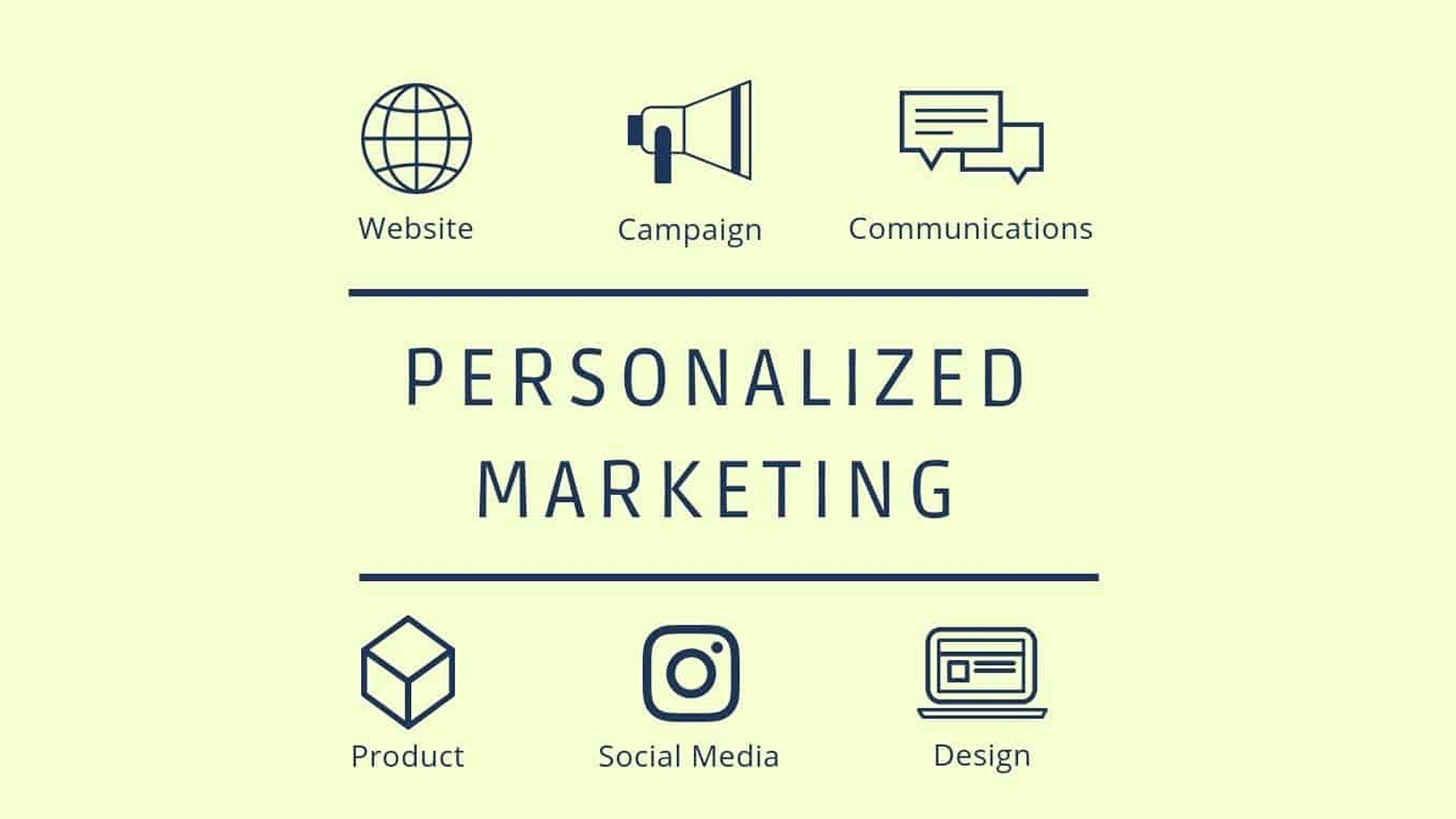
For businesses across the United States and Canada, combining personalized marketing with SEO, content marketing, website optimization, social media, and data-driven insights creates a stronger foundation for long-term growth. LeapForge Digital helps businesses develop integrated digital marketing strategies that connect these services to improve online visibility and customer engagement.
What Is Hyper-Personalized Marketing?
Hyper-personalized marketing is a strategy that focuses on delivering highly relevant content and experiences based on what a specific audience wants, needs, or is searching for.
Instead of creating a single message for every potential customer, businesses develop marketing that feels more relevant to different audiences across various digital channels.
Examples include:
Educational blog content that answers specific customer questions
Social media posts tailored to audience interests
Website content that addresses different customer needs
Personalized email campaigns
Targeted digital advertising
Content created around common search queries
The goal isn't simply to promote products or services—it's to create meaningful interactions that build trust and encourage long-term relationships.
Why Personalization Matters More Than Ever
Digital marketing has become increasingly competitive.
Consumers have endless choices, and attention spans are shorter than ever. Businesses that publish generic content often struggle to stand out because their messaging looks similar to everyone else's.
Meanwhile, AI-powered search platforms are becoming better at understanding user intent. Instead of rewarding content filled with repetitive keywords, they prioritize information that directly answers questions and provides genuine value.
This shift means personalization benefits both people and search engines.
When businesses create content that reflects real customer interests and search intent, they improve:
User engagement
Website experience
Search visibility
Brand trust
Content relevance
AI discoverability
Personalization isn't simply about marketing—it's about creating better digital experiences.
How Hyper-Personalized Marketing Supports SEO
Many business owners think of SEO as keywords and rankings alone. In reality, successful SEO is built around understanding user intent.
Hyper-personalized marketing supports SEO in several important ways.
Better Search Intent Alignment
Modern search engines evaluate whether content answers the user's question.
For example, someone searching:
"How can I improve my local SEO?"
expects a very different answer than someone searching:
"Best digital marketing agency for small businesses."
Creating content around different customer needs allows businesses to better align with search intent. This improves both search visibility and user satisfaction.
More Valuable Content
Personalized content naturally becomes more useful because it's written for a specific audience instead of trying to appeal to everyone.
Examples include:
Industry-specific blog posts
Local business marketing guides
Educational resources
Frequently asked questions
Step-by-step tutorials
Useful content is more likely to earn engagement, generate shares, and establish authority.
Stronger Topical Authority
Search engines increasingly reward websites that demonstrate expertise across an entire subject rather than focusing on isolated keywords.
Instead of publishing random articles, businesses benefit from creating related content around broader themes such as:
Search engine optimization
Website development
Content marketing
Social media marketing
Paid advertising
Brand strategy
Analytics and reporting
LeapForge Digital offers these complementary digital marketing services, allowing businesses to build a cohesive online strategy rather than treating each marketing channel separately. Businesses can check out our latest insights on our blogs page to see how these elements integrate, learn more about our approach, or contact us directly to optimize their online presence.
The Role of Hyper-Personalized Marketing in AI Search Visibility
AI search engines process information differently from traditional search engines.
Rather than displaying a list of links, they generate answers by analyzing trustworthy, well-structured content from multiple sources.
Businesses improve their chances of being referenced when they consistently publish content that is:
Informative
Well organized
Easy to understand
Question-focused
Relevant to customer needs
Hyper-personalized marketing naturally supports these goals.
AI Understands Context
Modern AI systems evaluate more than keywords. They analyze:
Context
Relationships between topics
User intent
Content quality
Authority
Businesses that consistently answer real customer questions create stronger signals for AI systems to understand their expertise.
Conversational Content Performs Better
People increasingly search using natural language.
Instead of typing:
"SEO agency Toronto"
they ask:
"How can a digital marketing agency help my small business grow online?"
Content written in a conversational style aligns much better with how AI search platforms process information. This improves discoverability across:
ChatGPT
Gemini
Perplexity
Claude
Bing Copilot
Voice search assistants
Key Benefits of Hyper-Personalized Marketing
Businesses investing in personalized marketing often experience improvements across multiple digital channels.
Improved Customer Engagement
People engage more with content that feels relevant to their interests and goals. Instead of generic promotions, personalized content encourages meaningful interactions.
Better Brand Recognition
Brand voice consistency helps businesses establish a recognizable identity across:
Websites
Search engines
Social media
Paid advertising
Email marketing
When customers repeatedly encounter valuable content, they become more familiar with the brand.
Increased Website Traffic
Publishing content around real customer questions creates additional opportunities to appear in search results. Educational resources, blogs, and service pages all contribute to long-term organic visibility.
Higher Quality Leads
Visitors who discover helpful, relevant content are often better informed before contacting a business. This can lead to more meaningful conversations and stronger customer relationships.
Stronger Long-Term Growth
Unlike short-term promotional campaigns, personalized content continues providing value long after it's published. A well-written article can generate visibility for months or even years while supporting broader SEO and content marketing goals.